
Construction Supervision
Uncategorized

What Is Construction Supervision and Why Do You Need It?

Uses of Silt Soil in Construction: A Practical Guide for Chennai Homeowners and Builders When you start planning a home or commercial construction project in Chennai, understanding the uses of silt soil in construction on your land becomes one of the most important decisions you will ever make. Among all soil types such as clay, sand, gravel, loam, red soil and black cotton soil, one soil type that creates both opportunity and confusion is silt soil. Silt soil is commonly found in areas with old riverbeds, lake surroundings and reclaimed land across Tamil Nadu. While it offers several benefits, it also comes with limitations if not treated properly. In this guide, UrbanSpace Builders brings you an authentic, engineering-backed and actionable explanation of how silt soil behaves and how it can be safely used in modern construction. Many Chennai land soil types such as clay, silt and red soil require proper testing before building any structure. What is Silt Soil Silt soil consists of extremely fine particles from 0.002 mm to 0.05 mm. It is smoother than sand and less sticky than clay. Silt has high water retention, moderate cohesion and a powder-like texture when dry. Where it is found in Chennai Perungudi, Sholinganallur, Pallikaranai, Madhavaram, the Adyar region and plots near water bodies often show high silt content. Key Properties of Silt Soil Understanding these properties helps determine how much treatment or soil improvement is required. 1. High Moisture Retention Silt absorbs and holds water longer than sand. Risk: Settlement, dampness and soft foundations. 2. Poor Drainage Due to its fine particle size. Risk: Low bearing capacity for foundations. 3. Good Plasticity When Mixed With proper stabilization, silt improves in strength. 4. Easy to Compact Makes it useful for filling and landscaping. Is Silt Soil Good for Construction Silt soil should not be used directly for load-bearing foundations but it can be used safely after soil stabilization. It is suitable for: Landscaping Filling and leveling Bricks when mixed with clay Mud plastering Road sub-base after stabilisation Urban Space Builders uses IS-approved soil testing methods to determine exact bearing capacity before starting construction. Top Uses of Silt Soil in Construction Below are the most practical, engineer-approved uses of silt soil in modern residential and commercial construction. 1. Filling and Land Development After Improvement Raw silt is weak, but stabilised silt soil works well for Plot leveling Compound filling Garden fill Pavement and walkway base Action: Mix silt with gravel, sand or quarry dust to improve load-bearing strength. 2. Soil Stabilization for Foundations Silt-heavy sites in Chennai can still support buildings after proper stabilization using Lime stabilisation Cement stabilisation Geotextile reinforcement Compaction in layers Granular sub-base installation Urban Space Builders follows a 6-step soil improvement protocol that meets engineering safety standards, helping homeowners make accurate decisions using tools like our Home Construction Cost Calculator before starting a project. 3. Brick Manufacturing Using a Silt and Clay Mix Silt soil is commonly mixed with clay to create durable bricks. Benefits include: Smooth finish Good shape retention Ideal for non-load-bearing walls These bricks are widely used in low-rise and interior partition work. 4. Mud Mortar and Plastering In traditional architecture and eco-construction, silt-rich soil is used for Natural plastering Earthen walls Clay-based finishes This provides insulation and breathability. 5. Landscaping and Garden Development Silt soil supports plant growth because it holds moisture. It is used for Lawn preparation Garden beds Outdoor landscaping Waterbody edge contouring Risks of Using Silt Soil in Construction and How to Fix Them Risk 1. Settlement and Cracks Silt shrinks and settles when moisture changes. Solution: Use lime, cement, granular base and PCC layers. Risk 2. Poor Foundation Support Weak bearing capacity. Solution: Conduct a soil test including SBC, grain size analysis and Atterberg limits. Risk 3. Waterlogging Silt becomes muddy and unstable. Solution: Provide proper drainage, soak pits and moisture barriers. Risk 4. Dampness in Buildings Moisture rises easily in silt-rich foundations. Solution: Apply a DPC coating, a waterproof membrane, and a waterproofing system for the foundation with a sand cushion filling. How Urban Space Builders Works With Silt Soil Safely 1. Soil Testing Before Construction We conduct SBC Test Grain Size Distribution Percolation Test Atterberg Limits Moisture Content Analysis This identifies whether silt requires stabilisation or replacement. These tests include particle size distribution soil analysis and soil moisture content evaluation, which help decide the right foundation method for Chennai sites. For detailed insight into our testing process, see our article on Comprehensive Guide to Soil Testing for Construction. 2. Soil Stabilisation Based on the test results, we stabilise the site using Lime Cement Sand and gravel Quarry dust Geotextiles Mechanical compaction 3. Foundation Design Based on Soil Condition Depending on silt content, we design Raft foundation Pile foundation Plinth beam reinforcement GSB and PCC layers 4. Quality Control During Execution We ensure Layer-wise compaction Controlled moisture Structural verification Accurate concrete mix Waterproofing at plinth level Conclusion It is possible to build on silt soil safely in Chennai. The only requirement is proper soil testing, stabilisation and foundation engineering. Silt soil is not dangerous when corrected and can even be beneficial for landscaping, filling and brick production. Urban Space Builders is rated among the best builders in Chennai for safe residential construction on all soil types. Urban Space Builders has successfully delivered multiple projects on complex soil conditions with scientific construction methods. To understand how structure design improves durability, read our guide How Structure Design Ensures Long-Lasting Homes. Recent Posts Uses of Silt Soil in Construction: A Practical Guide for Chennai Homeowners and Builders Top 12 Types of Brick Bonds Used in Modern House … RCC Beam vs Concrete Beam Key Differences and Their Applications Top 12 Types of Brick Bonds Used in Modern House … Let’s Build Your Dream Home Now!   Book a Consultation Uses of Silt Soil in Construction: A Practical Guide for Chennai Homeowners and Builders admin • November 24, 2025 • Uncategorized • No Comments Top 12 Types of Brick Bonds Used in

Space saving ideas for small houses in Chennai
Uncategorized

Space Saving Ideas for Small Houses in Chennai

Uses of Silt Soil in Construction: A Practical Guide for Chennai Homeowners and Builders When you start planning a home or commercial construction project in Chennai, understanding the uses of silt soil in construction on your land becomes one of the most important decisions you will ever make. Among all soil types such as clay, sand, gravel, loam, red soil and black cotton soil, one soil type that creates both opportunity and confusion is silt soil. Silt soil is commonly found in areas with old riverbeds, lake surroundings and reclaimed land across Tamil Nadu. While it offers several benefits, it also comes with limitations if not treated properly. In this guide, UrbanSpace Builders brings you an authentic, engineering-backed and actionable explanation of how silt soil behaves and how it can be safely used in modern construction. Many Chennai land soil types such as clay, silt and red soil require proper testing before building any structure. What is Silt Soil Silt soil consists of extremely fine particles from 0.002 mm to 0.05 mm. It is smoother than sand and less sticky than clay. Silt has high water retention, moderate cohesion and a powder-like texture when dry. Where it is found in Chennai Perungudi, Sholinganallur, Pallikaranai, Madhavaram, the Adyar region and plots near water bodies often show high silt content. Key Properties of Silt Soil Understanding these properties helps determine how much treatment or soil improvement is required. 1. High Moisture Retention Silt absorbs and holds water longer than sand. Risk: Settlement, dampness and soft foundations. 2. Poor Drainage Due to its fine particle size. Risk: Low bearing capacity for foundations. 3. Good Plasticity When Mixed With proper stabilization, silt improves in strength. 4. Easy to Compact Makes it useful for filling and landscaping. Is Silt Soil Good for Construction Silt soil should not be used directly for load-bearing foundations but it can be used safely after soil stabilization. It is suitable for: Landscaping Filling and leveling Bricks when mixed with clay Mud plastering Road sub-base after stabilisation Urban Space Builders uses IS-approved soil testing methods to determine exact bearing capacity before starting construction. Top Uses of Silt Soil in Construction Below are the most practical, engineer-approved uses of silt soil in modern residential and commercial construction. 1. Filling and Land Development After Improvement Raw silt is weak, but stabilised silt soil works well for Plot leveling Compound filling Garden fill Pavement and walkway base Action: Mix silt with gravel, sand or quarry dust to improve load-bearing strength. 2. Soil Stabilization for Foundations Silt-heavy sites in Chennai can still support buildings after proper stabilization using Lime stabilisation Cement stabilisation Geotextile reinforcement Compaction in layers Granular sub-base installation Urban Space Builders follows a 6-step soil improvement protocol that meets engineering safety standards, helping homeowners make accurate decisions using tools like our Home Construction Cost Calculator before starting a project. 3. Brick Manufacturing Using a Silt and Clay Mix Silt soil is commonly mixed with clay to create durable bricks. Benefits include: Smooth finish Good shape retention Ideal for non-load-bearing walls These bricks are widely used in low-rise and interior partition work. 4. Mud Mortar and Plastering In traditional architecture and eco-construction, silt-rich soil is used for Natural plastering Earthen walls Clay-based finishes This provides insulation and breathability. 5. Landscaping and Garden Development Silt soil supports plant growth because it holds moisture. It is used for Lawn preparation Garden beds Outdoor landscaping Waterbody edge contouring Risks of Using Silt Soil in Construction and How to Fix Them Risk 1. Settlement and Cracks Silt shrinks and settles when moisture changes. Solution: Use lime, cement, granular base and PCC layers. Risk 2. Poor Foundation Support Weak bearing capacity. Solution: Conduct a soil test including SBC, grain size analysis and Atterberg limits. Risk 3. Waterlogging Silt becomes muddy and unstable. Solution: Provide proper drainage, soak pits and moisture barriers. Risk 4. Dampness in Buildings Moisture rises easily in silt-rich foundations. Solution: Apply a DPC coating, a waterproof membrane, and a waterproofing system for the foundation with a sand cushion filling. How Urban Space Builders Works With Silt Soil Safely 1. Soil Testing Before Construction We conduct SBC Test Grain Size Distribution Percolation Test Atterberg Limits Moisture Content Analysis This identifies whether silt requires stabilisation or replacement. These tests include particle size distribution soil analysis and soil moisture content evaluation, which help decide the right foundation method for Chennai sites. For detailed insight into our testing process, see our article on Comprehensive Guide to Soil Testing for Construction. 2. Soil Stabilisation Based on the test results, we stabilise the site using Lime Cement Sand and gravel Quarry dust Geotextiles Mechanical compaction 3. Foundation Design Based on Soil Condition Depending on silt content, we design Raft foundation Pile foundation Plinth beam reinforcement GSB and PCC layers 4. Quality Control During Execution We ensure Layer-wise compaction Controlled moisture Structural verification Accurate concrete mix Waterproofing at plinth level Conclusion It is possible to build on silt soil safely in Chennai. The only requirement is proper soil testing, stabilisation and foundation engineering. Silt soil is not dangerous when corrected and can even be beneficial for landscaping, filling and brick production. Urban Space Builders is rated among the best builders in Chennai for safe residential construction on all soil types. Urban Space Builders has successfully delivered multiple projects on complex soil conditions with scientific construction methods. To understand how structure design improves durability, read our guide How Structure Design Ensures Long-Lasting Homes. Recent Posts Uses of Silt Soil in Construction: A Practical Guide for Chennai Homeowners and Builders Top 12 Types of Brick Bonds Used in Modern House … RCC Beam vs Concrete Beam Key Differences and Their Applications Top 12 Types of Brick Bonds Used in Modern House … Let’s Build Your Dream Home Now!   Book a Consultation Uses of Silt Soil in Construction: A Practical Guide for Chennai Homeowners and Builders admin • November 24, 2025 • Uncategorized • No Comments Top 12 Types of Brick Bonds Used in

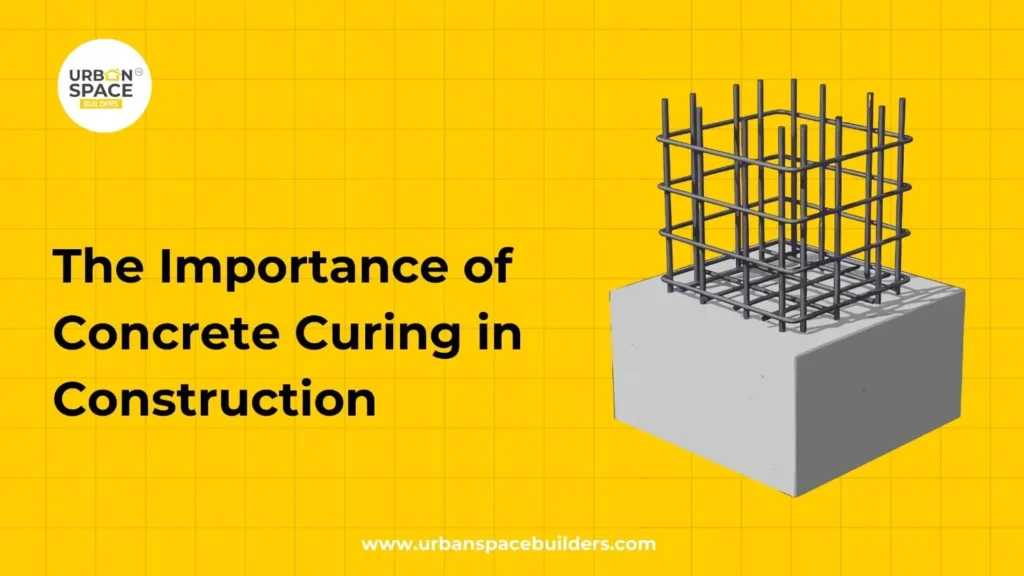
importance of curing concrete
Uncategorized

The Importance of Curing Concrete in Construction

Uses of Silt Soil in Construction: A Practical Guide for Chennai Homeowners and Builders When you start planning a home or commercial construction project in Chennai, understanding the uses of silt soil in construction on your land becomes one of the most important decisions you will ever make. Among all soil types such as clay, sand, gravel, loam, red soil and black cotton soil, one soil type that creates both opportunity and confusion is silt soil. Silt soil is commonly found in areas with old riverbeds, lake surroundings and reclaimed land across Tamil Nadu. While it offers several benefits, it also comes with limitations if not treated properly. In this guide, UrbanSpace Builders brings you an authentic, engineering-backed and actionable explanation of how silt soil behaves and how it can be safely used in modern construction. Many Chennai land soil types such as clay, silt and red soil require proper testing before building any structure. What is Silt Soil Silt soil consists of extremely fine particles from 0.002 mm to 0.05 mm. It is smoother than sand and less sticky than clay. Silt has high water retention, moderate cohesion and a powder-like texture when dry. Where it is found in Chennai Perungudi, Sholinganallur, Pallikaranai, Madhavaram, the Adyar region and plots near water bodies often show high silt content. Key Properties of Silt Soil Understanding these properties helps determine how much treatment or soil improvement is required. 1. High Moisture Retention Silt absorbs and holds water longer than sand. Risk: Settlement, dampness and soft foundations. 2. Poor Drainage Due to its fine particle size. Risk: Low bearing capacity for foundations. 3. Good Plasticity When Mixed With proper stabilization, silt improves in strength. 4. Easy to Compact Makes it useful for filling and landscaping. Is Silt Soil Good for Construction Silt soil should not be used directly for load-bearing foundations but it can be used safely after soil stabilization. It is suitable for: Landscaping Filling and leveling Bricks when mixed with clay Mud plastering Road sub-base after stabilisation Urban Space Builders uses IS-approved soil testing methods to determine exact bearing capacity before starting construction. Top Uses of Silt Soil in Construction Below are the most practical, engineer-approved uses of silt soil in modern residential and commercial construction. 1. Filling and Land Development After Improvement Raw silt is weak, but stabilised silt soil works well for Plot leveling Compound filling Garden fill Pavement and walkway base Action: Mix silt with gravel, sand or quarry dust to improve load-bearing strength. 2. Soil Stabilization for Foundations Silt-heavy sites in Chennai can still support buildings after proper stabilization using Lime stabilisation Cement stabilisation Geotextile reinforcement Compaction in layers Granular sub-base installation Urban Space Builders follows a 6-step soil improvement protocol that meets engineering safety standards, helping homeowners make accurate decisions using tools like our Home Construction Cost Calculator before starting a project. 3. Brick Manufacturing Using a Silt and Clay Mix Silt soil is commonly mixed with clay to create durable bricks. Benefits include: Smooth finish Good shape retention Ideal for non-load-bearing walls These bricks are widely used in low-rise and interior partition work. 4. Mud Mortar and Plastering In traditional architecture and eco-construction, silt-rich soil is used for Natural plastering Earthen walls Clay-based finishes This provides insulation and breathability. 5. Landscaping and Garden Development Silt soil supports plant growth because it holds moisture. It is used for Lawn preparation Garden beds Outdoor landscaping Waterbody edge contouring Risks of Using Silt Soil in Construction and How to Fix Them Risk 1. Settlement and Cracks Silt shrinks and settles when moisture changes. Solution: Use lime, cement, granular base and PCC layers. Risk 2. Poor Foundation Support Weak bearing capacity. Solution: Conduct a soil test including SBC, grain size analysis and Atterberg limits. Risk 3. Waterlogging Silt becomes muddy and unstable. Solution: Provide proper drainage, soak pits and moisture barriers. Risk 4. Dampness in Buildings Moisture rises easily in silt-rich foundations. Solution: Apply a DPC coating, a waterproof membrane, and a waterproofing system for the foundation with a sand cushion filling. How Urban Space Builders Works With Silt Soil Safely 1. Soil Testing Before Construction We conduct SBC Test Grain Size Distribution Percolation Test Atterberg Limits Moisture Content Analysis This identifies whether silt requires stabilisation or replacement. These tests include particle size distribution soil analysis and soil moisture content evaluation, which help decide the right foundation method for Chennai sites. For detailed insight into our testing process, see our article on Comprehensive Guide to Soil Testing for Construction. 2. Soil Stabilisation Based on the test results, we stabilise the site using Lime Cement Sand and gravel Quarry dust Geotextiles Mechanical compaction 3. Foundation Design Based on Soil Condition Depending on silt content, we design Raft foundation Pile foundation Plinth beam reinforcement GSB and PCC layers 4. Quality Control During Execution We ensure Layer-wise compaction Controlled moisture Structural verification Accurate concrete mix Waterproofing at plinth level Conclusion It is possible to build on silt soil safely in Chennai. The only requirement is proper soil testing, stabilisation and foundation engineering. Silt soil is not dangerous when corrected and can even be beneficial for landscaping, filling and brick production. Urban Space Builders is rated among the best builders in Chennai for safe residential construction on all soil types. Urban Space Builders has successfully delivered multiple projects on complex soil conditions with scientific construction methods. To understand how structure design improves durability, read our guide How Structure Design Ensures Long-Lasting Homes. Recent Posts Uses of Silt Soil in Construction: A Practical Guide for Chennai Homeowners and Builders Top 12 Types of Brick Bonds Used in Modern House … RCC Beam vs Concrete Beam Key Differences and Their Applications Top 12 Types of Brick Bonds Used in Modern House … Let’s Build Your Dream Home Now!   Book a Consultation Uses of Silt Soil in Construction: A Practical Guide for Chennai Homeowners and Builders admin • November 24, 2025 • Uncategorized • No Comments Top 12 Types of Brick Bonds Used in
Study room Vastu tips
Uncategorized

Study Room Vastu Tips for Construction and Interior Planning in Your Home

Uses of Silt Soil in Construction: A Practical Guide for Chennai Homeowners and Builders When you start planning a home or commercial construction project in Chennai, understanding the uses of silt soil in construction on your land becomes one of the most important decisions you will ever make. Among all soil types such as clay, sand, gravel, loam, red soil and black cotton soil, one soil type that creates both opportunity and confusion is silt soil. Silt soil is commonly found in areas with old riverbeds, lake surroundings and reclaimed land across Tamil Nadu. While it offers several benefits, it also comes with limitations if not treated properly. In this guide, UrbanSpace Builders brings you an authentic, engineering-backed and actionable explanation of how silt soil behaves and how it can be safely used in modern construction. Many Chennai land soil types such as clay, silt and red soil require proper testing before building any structure. What is Silt Soil Silt soil consists of extremely fine particles from 0.002 mm to 0.05 mm. It is smoother than sand and less sticky than clay. Silt has high water retention, moderate cohesion and a powder-like texture when dry. Where it is found in Chennai Perungudi, Sholinganallur, Pallikaranai, Madhavaram, the Adyar region and plots near water bodies often show high silt content. Key Properties of Silt Soil Understanding these properties helps determine how much treatment or soil improvement is required. 1. High Moisture Retention Silt absorbs and holds water longer than sand. Risk: Settlement, dampness and soft foundations. 2. Poor Drainage Due to its fine particle size. Risk: Low bearing capacity for foundations. 3. Good Plasticity When Mixed With proper stabilization, silt improves in strength. 4. Easy to Compact Makes it useful for filling and landscaping. Is Silt Soil Good for Construction Silt soil should not be used directly for load-bearing foundations but it can be used safely after soil stabilization. It is suitable for: Landscaping Filling and leveling Bricks when mixed with clay Mud plastering Road sub-base after stabilisation Urban Space Builders uses IS-approved soil testing methods to determine exact bearing capacity before starting construction. Top Uses of Silt Soil in Construction Below are the most practical, engineer-approved uses of silt soil in modern residential and commercial construction. 1. Filling and Land Development After Improvement Raw silt is weak, but stabilised silt soil works well for Plot leveling Compound filling Garden fill Pavement and walkway base Action: Mix silt with gravel, sand or quarry dust to improve load-bearing strength. 2. Soil Stabilization for Foundations Silt-heavy sites in Chennai can still support buildings after proper stabilization using Lime stabilisation Cement stabilisation Geotextile reinforcement Compaction in layers Granular sub-base installation Urban Space Builders follows a 6-step soil improvement protocol that meets engineering safety standards, helping homeowners make accurate decisions using tools like our Home Construction Cost Calculator before starting a project. 3. Brick Manufacturing Using a Silt and Clay Mix Silt soil is commonly mixed with clay to create durable bricks. Benefits include: Smooth finish Good shape retention Ideal for non-load-bearing walls These bricks are widely used in low-rise and interior partition work. 4. Mud Mortar and Plastering In traditional architecture and eco-construction, silt-rich soil is used for Natural plastering Earthen walls Clay-based finishes This provides insulation and breathability. 5. Landscaping and Garden Development Silt soil supports plant growth because it holds moisture. It is used for Lawn preparation Garden beds Outdoor landscaping Waterbody edge contouring Risks of Using Silt Soil in Construction and How to Fix Them Risk 1. Settlement and Cracks Silt shrinks and settles when moisture changes. Solution: Use lime, cement, granular base and PCC layers. Risk 2. Poor Foundation Support Weak bearing capacity. Solution: Conduct a soil test including SBC, grain size analysis and Atterberg limits. Risk 3. Waterlogging Silt becomes muddy and unstable. Solution: Provide proper drainage, soak pits and moisture barriers. Risk 4. Dampness in Buildings Moisture rises easily in silt-rich foundations. Solution: Apply a DPC coating, a waterproof membrane, and a waterproofing system for the foundation with a sand cushion filling. How Urban Space Builders Works With Silt Soil Safely 1. Soil Testing Before Construction We conduct SBC Test Grain Size Distribution Percolation Test Atterberg Limits Moisture Content Analysis This identifies whether silt requires stabilisation or replacement. These tests include particle size distribution soil analysis and soil moisture content evaluation, which help decide the right foundation method for Chennai sites. For detailed insight into our testing process, see our article on Comprehensive Guide to Soil Testing for Construction. 2. Soil Stabilisation Based on the test results, we stabilise the site using Lime Cement Sand and gravel Quarry dust Geotextiles Mechanical compaction 3. Foundation Design Based on Soil Condition Depending on silt content, we design Raft foundation Pile foundation Plinth beam reinforcement GSB and PCC layers 4. Quality Control During Execution We ensure Layer-wise compaction Controlled moisture Structural verification Accurate concrete mix Waterproofing at plinth level Conclusion It is possible to build on silt soil safely in Chennai. The only requirement is proper soil testing, stabilisation and foundation engineering. Silt soil is not dangerous when corrected and can even be beneficial for landscaping, filling and brick production. Urban Space Builders is rated among the best builders in Chennai for safe residential construction on all soil types. Urban Space Builders has successfully delivered multiple projects on complex soil conditions with scientific construction methods. To understand how structure design improves durability, read our guide How Structure Design Ensures Long-Lasting Homes. Recent Posts Uses of Silt Soil in Construction: A Practical Guide for Chennai Homeowners and Builders Top 12 Types of Brick Bonds Used in Modern House … RCC Beam vs Concrete Beam Key Differences and Their Applications Top 12 Types of Brick Bonds Used in Modern House … Let’s Build Your Dream Home Now!   Book a Consultation Uses of Silt Soil in Construction: A Practical Guide for Chennai Homeowners and Builders admin • November 24, 2025 • Uncategorized • No Comments Top 12 Types of Brick Bonds Used in

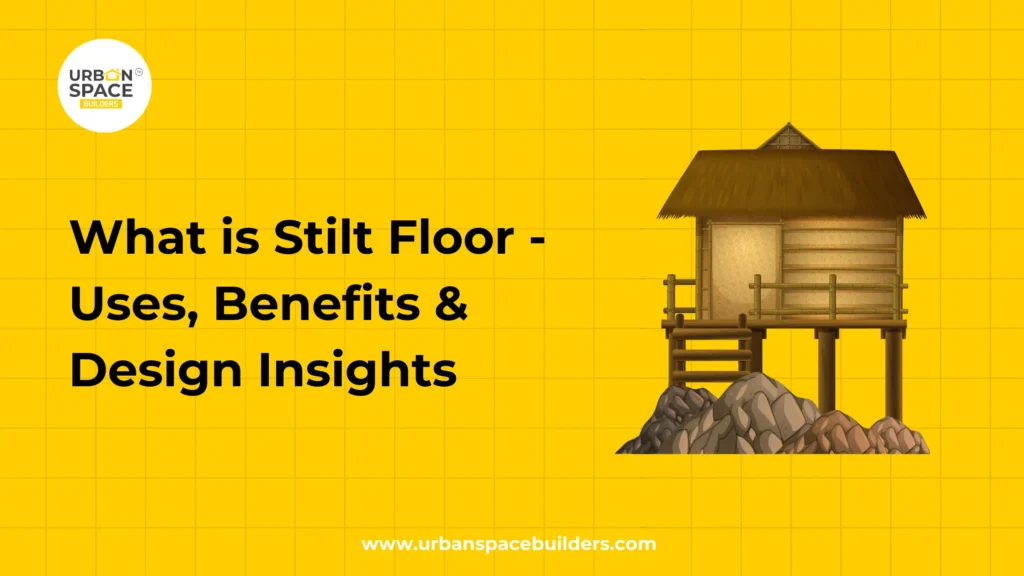
What is Stilt Floor
Uncategorized

What is Stilt Floor – Uses, Benefits & Design Insights

Uses of Silt Soil in Construction: A Practical Guide for Chennai Homeowners and Builders When you start planning a home or commercial construction project in Chennai, understanding the uses of silt soil in construction on your land becomes one of the most important decisions you will ever make. Among all soil types such as clay, sand, gravel, loam, red soil and black cotton soil, one soil type that creates both opportunity and confusion is silt soil. Silt soil is commonly found in areas with old riverbeds, lake surroundings and reclaimed land across Tamil Nadu. While it offers several benefits, it also comes with limitations if not treated properly. In this guide, UrbanSpace Builders brings you an authentic, engineering-backed and actionable explanation of how silt soil behaves and how it can be safely used in modern construction. Many Chennai land soil types such as clay, silt and red soil require proper testing before building any structure. What is Silt Soil Silt soil consists of extremely fine particles from 0.002 mm to 0.05 mm. It is smoother than sand and less sticky than clay. Silt has high water retention, moderate cohesion and a powder-like texture when dry. Where it is found in Chennai Perungudi, Sholinganallur, Pallikaranai, Madhavaram, the Adyar region and plots near water bodies often show high silt content. Key Properties of Silt Soil Understanding these properties helps determine how much treatment or soil improvement is required. 1. High Moisture Retention Silt absorbs and holds water longer than sand. Risk: Settlement, dampness and soft foundations. 2. Poor Drainage Due to its fine particle size. Risk: Low bearing capacity for foundations. 3. Good Plasticity When Mixed With proper stabilization, silt improves in strength. 4. Easy to Compact Makes it useful for filling and landscaping. Is Silt Soil Good for Construction Silt soil should not be used directly for load-bearing foundations but it can be used safely after soil stabilization. It is suitable for: Landscaping Filling and leveling Bricks when mixed with clay Mud plastering Road sub-base after stabilisation Urban Space Builders uses IS-approved soil testing methods to determine exact bearing capacity before starting construction. Top Uses of Silt Soil in Construction Below are the most practical, engineer-approved uses of silt soil in modern residential and commercial construction. 1. Filling and Land Development After Improvement Raw silt is weak, but stabilised silt soil works well for Plot leveling Compound filling Garden fill Pavement and walkway base Action: Mix silt with gravel, sand or quarry dust to improve load-bearing strength. 2. Soil Stabilization for Foundations Silt-heavy sites in Chennai can still support buildings after proper stabilization using Lime stabilisation Cement stabilisation Geotextile reinforcement Compaction in layers Granular sub-base installation Urban Space Builders follows a 6-step soil improvement protocol that meets engineering safety standards, helping homeowners make accurate decisions using tools like our Home Construction Cost Calculator before starting a project. 3. Brick Manufacturing Using a Silt and Clay Mix Silt soil is commonly mixed with clay to create durable bricks. Benefits include: Smooth finish Good shape retention Ideal for non-load-bearing walls These bricks are widely used in low-rise and interior partition work. 4. Mud Mortar and Plastering In traditional architecture and eco-construction, silt-rich soil is used for Natural plastering Earthen walls Clay-based finishes This provides insulation and breathability. 5. Landscaping and Garden Development Silt soil supports plant growth because it holds moisture. It is used for Lawn preparation Garden beds Outdoor landscaping Waterbody edge contouring Risks of Using Silt Soil in Construction and How to Fix Them Risk 1. Settlement and Cracks Silt shrinks and settles when moisture changes. Solution: Use lime, cement, granular base and PCC layers. Risk 2. Poor Foundation Support Weak bearing capacity. Solution: Conduct a soil test including SBC, grain size analysis and Atterberg limits. Risk 3. Waterlogging Silt becomes muddy and unstable. Solution: Provide proper drainage, soak pits and moisture barriers. Risk 4. Dampness in Buildings Moisture rises easily in silt-rich foundations. Solution: Apply a DPC coating, a waterproof membrane, and a waterproofing system for the foundation with a sand cushion filling. How Urban Space Builders Works With Silt Soil Safely 1. Soil Testing Before Construction We conduct SBC Test Grain Size Distribution Percolation Test Atterberg Limits Moisture Content Analysis This identifies whether silt requires stabilisation or replacement. These tests include particle size distribution soil analysis and soil moisture content evaluation, which help decide the right foundation method for Chennai sites. For detailed insight into our testing process, see our article on Comprehensive Guide to Soil Testing for Construction. 2. Soil Stabilisation Based on the test results, we stabilise the site using Lime Cement Sand and gravel Quarry dust Geotextiles Mechanical compaction 3. Foundation Design Based on Soil Condition Depending on silt content, we design Raft foundation Pile foundation Plinth beam reinforcement GSB and PCC layers 4. Quality Control During Execution We ensure Layer-wise compaction Controlled moisture Structural verification Accurate concrete mix Waterproofing at plinth level Conclusion It is possible to build on silt soil safely in Chennai. The only requirement is proper soil testing, stabilisation and foundation engineering. Silt soil is not dangerous when corrected and can even be beneficial for landscaping, filling and brick production. Urban Space Builders is rated among the best builders in Chennai for safe residential construction on all soil types. Urban Space Builders has successfully delivered multiple projects on complex soil conditions with scientific construction methods. To understand how structure design improves durability, read our guide How Structure Design Ensures Long-Lasting Homes. Recent Posts Uses of Silt Soil in Construction: A Practical Guide for Chennai Homeowners and Builders Top 12 Types of Brick Bonds Used in Modern House … RCC Beam vs Concrete Beam Key Differences and Their Applications Top 12 Types of Brick Bonds Used in Modern House … Let’s Build Your Dream Home Now!   Book a Consultation Uses of Silt Soil in Construction: A Practical Guide for Chennai Homeowners and Builders admin • November 24, 2025 • Uncategorized • No Comments Top 12 Types of Brick Bonds Used in
Granite Floor Design for Home
Uncategorized

Granite Floor Design for Home: Is It the Right Option?

Uses of Silt Soil in Construction: A Practical Guide for Chennai Homeowners and Builders When you start planning a home or commercial construction project in Chennai, understanding the uses of silt soil in construction on your land becomes one of the most important decisions you will ever make. Among all soil types such as clay, sand, gravel, loam, red soil and black cotton soil, one soil type that creates both opportunity and confusion is silt soil. Silt soil is commonly found in areas with old riverbeds, lake surroundings and reclaimed land across Tamil Nadu. While it offers several benefits, it also comes with limitations if not treated properly. In this guide, UrbanSpace Builders brings you an authentic, engineering-backed and actionable explanation of how silt soil behaves and how it can be safely used in modern construction. Many Chennai land soil types such as clay, silt and red soil require proper testing before building any structure. What is Silt Soil Silt soil consists of extremely fine particles from 0.002 mm to 0.05 mm. It is smoother than sand and less sticky than clay. Silt has high water retention, moderate cohesion and a powder-like texture when dry. Where it is found in Chennai Perungudi, Sholinganallur, Pallikaranai, Madhavaram, the Adyar region and plots near water bodies often show high silt content. Key Properties of Silt Soil Understanding these properties helps determine how much treatment or soil improvement is required. 1. High Moisture Retention Silt absorbs and holds water longer than sand. Risk: Settlement, dampness and soft foundations. 2. Poor Drainage Due to its fine particle size. Risk: Low bearing capacity for foundations. 3. Good Plasticity When Mixed With proper stabilization, silt improves in strength. 4. Easy to Compact Makes it useful for filling and landscaping. Is Silt Soil Good for Construction Silt soil should not be used directly for load-bearing foundations but it can be used safely after soil stabilization. It is suitable for: Landscaping Filling and leveling Bricks when mixed with clay Mud plastering Road sub-base after stabilisation Urban Space Builders uses IS-approved soil testing methods to determine exact bearing capacity before starting construction. Top Uses of Silt Soil in Construction Below are the most practical, engineer-approved uses of silt soil in modern residential and commercial construction. 1. Filling and Land Development After Improvement Raw silt is weak, but stabilised silt soil works well for Plot leveling Compound filling Garden fill Pavement and walkway base Action: Mix silt with gravel, sand or quarry dust to improve load-bearing strength. 2. Soil Stabilization for Foundations Silt-heavy sites in Chennai can still support buildings after proper stabilization using Lime stabilisation Cement stabilisation Geotextile reinforcement Compaction in layers Granular sub-base installation Urban Space Builders follows a 6-step soil improvement protocol that meets engineering safety standards, helping homeowners make accurate decisions using tools like our Home Construction Cost Calculator before starting a project. 3. Brick Manufacturing Using a Silt and Clay Mix Silt soil is commonly mixed with clay to create durable bricks. Benefits include: Smooth finish Good shape retention Ideal for non-load-bearing walls These bricks are widely used in low-rise and interior partition work. 4. Mud Mortar and Plastering In traditional architecture and eco-construction, silt-rich soil is used for Natural plastering Earthen walls Clay-based finishes This provides insulation and breathability. 5. Landscaping and Garden Development Silt soil supports plant growth because it holds moisture. It is used for Lawn preparation Garden beds Outdoor landscaping Waterbody edge contouring Risks of Using Silt Soil in Construction and How to Fix Them Risk 1. Settlement and Cracks Silt shrinks and settles when moisture changes. Solution: Use lime, cement, granular base and PCC layers. Risk 2. Poor Foundation Support Weak bearing capacity. Solution: Conduct a soil test including SBC, grain size analysis and Atterberg limits. Risk 3. Waterlogging Silt becomes muddy and unstable. Solution: Provide proper drainage, soak pits and moisture barriers. Risk 4. Dampness in Buildings Moisture rises easily in silt-rich foundations. Solution: Apply a DPC coating, a waterproof membrane, and a waterproofing system for the foundation with a sand cushion filling. How Urban Space Builders Works With Silt Soil Safely 1. Soil Testing Before Construction We conduct SBC Test Grain Size Distribution Percolation Test Atterberg Limits Moisture Content Analysis This identifies whether silt requires stabilisation or replacement. These tests include particle size distribution soil analysis and soil moisture content evaluation, which help decide the right foundation method for Chennai sites. For detailed insight into our testing process, see our article on Comprehensive Guide to Soil Testing for Construction. 2. Soil Stabilisation Based on the test results, we stabilise the site using Lime Cement Sand and gravel Quarry dust Geotextiles Mechanical compaction 3. Foundation Design Based on Soil Condition Depending on silt content, we design Raft foundation Pile foundation Plinth beam reinforcement GSB and PCC layers 4. Quality Control During Execution We ensure Layer-wise compaction Controlled moisture Structural verification Accurate concrete mix Waterproofing at plinth level Conclusion It is possible to build on silt soil safely in Chennai. The only requirement is proper soil testing, stabilisation and foundation engineering. Silt soil is not dangerous when corrected and can even be beneficial for landscaping, filling and brick production. Urban Space Builders is rated among the best builders in Chennai for safe residential construction on all soil types. Urban Space Builders has successfully delivered multiple projects on complex soil conditions with scientific construction methods. To understand how structure design improves durability, read our guide How Structure Design Ensures Long-Lasting Homes. Recent Posts Uses of Silt Soil in Construction: A Practical Guide for Chennai Homeowners and Builders Top 12 Types of Brick Bonds Used in Modern House … RCC Beam vs Concrete Beam Key Differences and Their Applications Top 12 Types of Brick Bonds Used in Modern House … Let’s Build Your Dream Home Now!   Book a Consultation Uses of Silt Soil in Construction: A Practical Guide for Chennai Homeowners and Builders admin • November 24, 2025 • Uncategorized • No Comments Top 12 Types of Brick Bonds Used in
Pointing in Construction
Uncategorized

What is Pointing in Construction? A Comprehensive Guide

Uses of Silt Soil in Construction: A Practical Guide for Chennai Homeowners and Builders When you start planning a home or commercial construction project in Chennai, understanding the uses of silt soil in construction on your land becomes one of the most important decisions you will ever make. Among all soil types such as clay, sand, gravel, loam, red soil and black cotton soil, one soil type that creates both opportunity and confusion is silt soil. Silt soil is commonly found in areas with old riverbeds, lake surroundings and reclaimed land across Tamil Nadu. While it offers several benefits, it also comes with limitations if not treated properly. In this guide, UrbanSpace Builders brings you an authentic, engineering-backed and actionable explanation of how silt soil behaves and how it can be safely used in modern construction. Many Chennai land soil types such as clay, silt and red soil require proper testing before building any structure. What is Silt Soil Silt soil consists of extremely fine particles from 0.002 mm to 0.05 mm. It is smoother than sand and less sticky than clay. Silt has high water retention, moderate cohesion and a powder-like texture when dry. Where it is found in Chennai Perungudi, Sholinganallur, Pallikaranai, Madhavaram, the Adyar region and plots near water bodies often show high silt content. Key Properties of Silt Soil Understanding these properties helps determine how much treatment or soil improvement is required. 1. High Moisture Retention Silt absorbs and holds water longer than sand. Risk: Settlement, dampness and soft foundations. 2. Poor Drainage Due to its fine particle size. Risk: Low bearing capacity for foundations. 3. Good Plasticity When Mixed With proper stabilization, silt improves in strength. 4. Easy to Compact Makes it useful for filling and landscaping. Is Silt Soil Good for Construction Silt soil should not be used directly for load-bearing foundations but it can be used safely after soil stabilization. It is suitable for: Landscaping Filling and leveling Bricks when mixed with clay Mud plastering Road sub-base after stabilisation Urban Space Builders uses IS-approved soil testing methods to determine exact bearing capacity before starting construction. Top Uses of Silt Soil in Construction Below are the most practical, engineer-approved uses of silt soil in modern residential and commercial construction. 1. Filling and Land Development After Improvement Raw silt is weak, but stabilised silt soil works well for Plot leveling Compound filling Garden fill Pavement and walkway base Action: Mix silt with gravel, sand or quarry dust to improve load-bearing strength. 2. Soil Stabilization for Foundations Silt-heavy sites in Chennai can still support buildings after proper stabilization using Lime stabilisation Cement stabilisation Geotextile reinforcement Compaction in layers Granular sub-base installation Urban Space Builders follows a 6-step soil improvement protocol that meets engineering safety standards, helping homeowners make accurate decisions using tools like our Home Construction Cost Calculator before starting a project. 3. Brick Manufacturing Using a Silt and Clay Mix Silt soil is commonly mixed with clay to create durable bricks. Benefits include: Smooth finish Good shape retention Ideal for non-load-bearing walls These bricks are widely used in low-rise and interior partition work. 4. Mud Mortar and Plastering In traditional architecture and eco-construction, silt-rich soil is used for Natural plastering Earthen walls Clay-based finishes This provides insulation and breathability. 5. Landscaping and Garden Development Silt soil supports plant growth because it holds moisture. It is used for Lawn preparation Garden beds Outdoor landscaping Waterbody edge contouring Risks of Using Silt Soil in Construction and How to Fix Them Risk 1. Settlement and Cracks Silt shrinks and settles when moisture changes. Solution: Use lime, cement, granular base and PCC layers. Risk 2. Poor Foundation Support Weak bearing capacity. Solution: Conduct a soil test including SBC, grain size analysis and Atterberg limits. Risk 3. Waterlogging Silt becomes muddy and unstable. Solution: Provide proper drainage, soak pits and moisture barriers. Risk 4. Dampness in Buildings Moisture rises easily in silt-rich foundations. Solution: Apply a DPC coating, a waterproof membrane, and a waterproofing system for the foundation with a sand cushion filling. How Urban Space Builders Works With Silt Soil Safely 1. Soil Testing Before Construction We conduct SBC Test Grain Size Distribution Percolation Test Atterberg Limits Moisture Content Analysis This identifies whether silt requires stabilisation or replacement. These tests include particle size distribution soil analysis and soil moisture content evaluation, which help decide the right foundation method for Chennai sites. For detailed insight into our testing process, see our article on Comprehensive Guide to Soil Testing for Construction. 2. Soil Stabilisation Based on the test results, we stabilise the site using Lime Cement Sand and gravel Quarry dust Geotextiles Mechanical compaction 3. Foundation Design Based on Soil Condition Depending on silt content, we design Raft foundation Pile foundation Plinth beam reinforcement GSB and PCC layers 4. Quality Control During Execution We ensure Layer-wise compaction Controlled moisture Structural verification Accurate concrete mix Waterproofing at plinth level Conclusion It is possible to build on silt soil safely in Chennai. The only requirement is proper soil testing, stabilisation and foundation engineering. Silt soil is not dangerous when corrected and can even be beneficial for landscaping, filling and brick production. Urban Space Builders is rated among the best builders in Chennai for safe residential construction on all soil types. Urban Space Builders has successfully delivered multiple projects on complex soil conditions with scientific construction methods. To understand how structure design improves durability, read our guide How Structure Design Ensures Long-Lasting Homes. Recent Posts Uses of Silt Soil in Construction: A Practical Guide for Chennai Homeowners and Builders Top 12 Types of Brick Bonds Used in Modern House … RCC Beam vs Concrete Beam Key Differences and Their Applications Top 12 Types of Brick Bonds Used in Modern House … Let’s Build Your Dream Home Now!   Book a Consultation Uses of Silt Soil in Construction: A Practical Guide for Chennai Homeowners and Builders admin • November 24, 2025 • Uncategorized • No Comments Top 12 Types of Brick Bonds Used in
Uses of Silt Soil in Construction
Uncategorized

Uses of Silt Soil in Construction: A Practical Guide for Chennai Homeowners and Builders

Uses of Silt Soil in Construction: A Practical Guide for Chennai Homeowners and Builders When you start planning a home or commercial construction project in Chennai, understanding the uses of silt soil in construction on your land becomes one of the most important decisions you will ever make. Among all soil types such as clay, sand, gravel, loam, red soil and black cotton soil, one soil type that creates both opportunity and confusion is silt soil. Silt soil is commonly found in areas with old riverbeds, lake surroundings and reclaimed land across Tamil Nadu. While it offers several benefits, it also comes with limitations if not treated properly. In this guide, UrbanSpace Builders brings you an authentic, engineering-backed and actionable explanation of how silt soil behaves and how it can be safely used in modern construction. Many Chennai land soil types such as clay, silt and red soil require proper testing before building any structure. What is Silt Soil Silt soil consists of extremely fine particles from 0.002 mm to 0.05 mm. It is smoother than sand and less sticky than clay. Silt has high water retention, moderate cohesion and a powder-like texture when dry. Where it is found in Chennai Perungudi, Sholinganallur, Pallikaranai, Madhavaram, the Adyar region and plots near water bodies often show high silt content. Key Properties of Silt Soil Understanding these properties helps determine how much treatment or soil improvement is required. 1. High Moisture Retention Silt absorbs and holds water longer than sand.Risk: Settlement, dampness and soft foundations. 2. Poor Drainage Due to its fine particle size.Risk: Low bearing capacity for foundations. 3. Good Plasticity When Mixed With proper stabilization, silt improves in strength. 4. Easy to Compact Makes it useful for filling and landscaping. Is Silt Soil Good for Construction Silt soil should not be used directly for load-bearing foundations but it can be used safely after soil stabilization. It is suitable for: Landscaping Filling and leveling Bricks when mixed with clay Mud plastering Road sub-base after stabilisation Urban Space Builders uses IS-approved soil testing methods to determine exact bearing capacity before starting construction. Top Uses of Silt Soil in Construction Below are the most practical, engineer-approved uses of silt soil in modern residential and commercial construction. 1. Filling and Land Development After Improvement Raw silt is weak, but stabilised silt soil works well for Plot leveling Compound filling Garden fill Pavement and walkway base Action: Mix silt with gravel, sand or quarry dust to improve load-bearing strength. 2. Soil Stabilization for Foundations Silt-heavy sites in Chennai can still support buildings after proper stabilization using Lime stabilisation Cement stabilisation Geotextile reinforcement Compaction in layers Granular sub-base installation Urban Space Builders follows a 6-step soil improvement protocol that meets engineering safety standards, helping homeowners make accurate decisions using tools like our Home Construction Cost Calculator before starting a project. 3. Brick Manufacturing Using a Silt and Clay Mix Silt soil is commonly mixed with clay to create durable bricks.Benefits include: Smooth finish Good shape retention Ideal for non-load-bearing walls These bricks are widely used in low-rise and interior partition work. 4. Mud Mortar and Plastering In traditional architecture and eco-construction, silt-rich soil is used for Natural plastering Earthen walls Clay-based finishes This provides insulation and breathability. 5. Landscaping and Garden Development Silt soil supports plant growth because it holds moisture. It is used for Lawn preparation Garden beds Outdoor landscaping Waterbody edge contouring Risks of Using Silt Soil in Construction and How to Fix Them Risk 1. Settlement and Cracks Silt shrinks and settles when moisture changes.Solution: Use lime, cement, granular base and PCC layers. Risk 2. Poor Foundation Support Weak bearing capacity.Solution: Conduct a soil test including SBC, grain size analysis and Atterberg limits. Risk 3. Waterlogging Silt becomes muddy and unstable.Solution: Provide proper drainage, soak pits and moisture barriers. Risk 4. Dampness in Buildings Moisture rises easily in silt-rich foundations.Solution: Apply a DPC coating, a waterproof membrane, and a waterproofing system for the foundation with a sand cushion filling. How Urban Space Builders Works With Silt Soil Safely 1. Soil Testing Before Construction We conduct SBC TestGrain Size Distribution Percolation Test Atterberg Limits Moisture Content Analysis This identifies whether silt requires stabilisation or replacement. These tests include particle size distribution soil analysis and soil moisture content evaluation, which help decide the right foundation method for Chennai sites. For detailed insight into our testing process, see our article on Comprehensive Guide to Soil Testing for Construction. 2. Soil Stabilisation Based on the test results, we stabilise the site using Lime Cement Sand and gravel Quarry dust Geotextiles Mechanical compaction 3. Foundation Design Based on Soil Condition Depending on silt content, we design Raft foundation Pile foundation Plinth beam reinforcement GSB and PCC layers 4. Quality Control During Execution We ensure Layer-wise compaction Controlled moisture Structural verification Accurate concrete mix Waterproofing at plinth level Conclusion It is possible to build on silt soil safely in Chennai. The only requirement is proper soil testing, stabilisation and foundation engineering. Silt soil is not dangerous when corrected and can even be beneficial for landscaping, filling and brick production. Urban Space Builders is rated among the best builders in Chennai for safe residential construction on all soil types. Urban Space Builders has successfully delivered multiple projects on complex soil conditions with scientific construction methods. To understand how structure design improves durability, read our guide How Structure Design Ensures Long-Lasting Homes. Recent Posts Uses of Silt Soil in Construction: A Practical Guide for Chennai Homeowners and Builders Top 12 Types of Brick Bonds Used in Modern House … RCC Beam vs Concrete Beam Key Differences and Their Applications Top 12 Types of Brick Bonds Used in Modern House … Let’s Build Your Dream Home Now! Book a Consultation Uses of Silt Soil in Construction: A Practical Guide for Chennai Homeowners and Builders admin • November 24, 2025 • Uncategorized • No Comments Top 12 Types of Brick Bonds Used in Modern House Construction in Chennai Brick bonds are one
RCC Beam vs Concrete Beam
Uncategorized

RCC Beam vs Concrete Beam Key Differences and Their Applications

Top 12 Types of Brick Bonds Used in Modern House Construction in Chennai Brick bonds are one of the most important elements in masonry construction. The pattern in which bricks are laid determines a wall’s strength, stability, load distribution, and overall durability. At Urban Space Builders, we use proven masonry techniques combined with modern building practices to ensure long-lasting structures for residential and commercial projects in Chennai. In this blog, you will learn the top brick bond types, their uses, advantages, and how to choose the right one for your building. This guide is written for homeowners, architects, and civil engineers who want accurate, trustworthy construction knowledge. What is a Brick Bond? A brick bond refers to the pattern in which bricks are laid in a wall to achieve proper structural strength. With correct bonding, the wall becomes stronger, distributes load evenly, reduces cracks, and enhances aesthetics. Different projects require different bonds depending on span, thickness, load, and design style.  If you are also exploring design ideas for your home, you can check our guide on modern balcony designs here: 1. Stretcher Bond (Most Common for Modern Homes) The stretcher bond is widely used in partition walls, outer walls of homes, and boundary walls. Bricks are laid with their longer face visible on the front. Best for: 4.5 inch walls Partition walls Lightweight constructions Why We Use It: It offers a clean, modern look and is cost-efficient, making it ideal for residential projects in Chennai. 2. Header Bond (For Load-Bearing Strength) The header bond shows the shorter face on the exterior. This bond provides excellent thickness and strength due to strong brick interlocking. Best for: Load-bearing structures Thick walls Arches and heavy foundations 3. English Bond (Strong Traditional Bond) The English bond alternates between a header course and a stretcher course. Advantages: Excellent structural stability Superior load distribution Extremely durable for decades This is still preferred for independent houses, villas, and commercial constructions. 4. Flemish Bond (Strength and Aesthetic Appeal) The flemish bond alternates headers and stretchers in the same course, giving a unique pattern. Best for: Compound walls Decorative facades Architectural homes 5. Stack Bond (Modern and Stylish) Visually appealing and used for aesthetic projects, the stack bond aligns all vertical joints. However, it requires reinforcement because it has weaker structural bonding. Common Use: Feature walls Indoor decorative masonry Contemporary architectural homes 6. Rat-Trap Bond (Energy Efficient) Introduced by Laurie Baker, this bond creates a hollow cavity inside the wall, reducing material usage and increasing thermal insulation. Benefits: Saves 20 to 30 percent on bricks Better heat insulation Eco-friendly design 7. Zig Zag Bond Commonly used in flooring and pathways, zig zag bonding delivers visually stunning results while maintaining good strength. 8. Garden Wall Bond Used for non-load-bearing walls such as garden walls, landscaping boundaries, and elevation structures. 9. Flemish Garden Wall Bond A variation offering attractive design with moderate strength. Often used in villa elevations. 10. Facing Bond Used when the outer appearance requires a specific pattern while maintaining internal strength. 11. Dutch Bond A variation of the English bond that provides better corner stability. 12. English Cross Bond This pattern offers both strength and decorative appeal. Used in large institutional buildings and premium homes. If you are planning interior improvements, also explore our hall ceiling design ideas. 10 Rules for Good Brick Bonding To ensure wall strength, our masonry team follows strict guidelines: Alignment must be perfectly horizontal. Bricks must be properly soaked before use. Vertical joints must be staggered. Mortar mix should follow correct ratios. Joint thickness must be uniform. Avoid continuous vertical joints. Bricks must have sharp edges and good compressive strength. Curing must continue for 7 to 10 days. Use quality cement and M-sand. Skilled masons should handle complex bonds like flemish How to Choose the Right Brick Bond for Your Building Here is a simple selection guide used by our engineers. If you are planning your budget and structural requirements, using tools like a Home Construction Cost Calculator can help you decide the right bonding method based on wall thickness, material usage, and labor cost. If you need strength: Choose English bond or header bond. If you want modern aesthetics: Choose stack bond, zig zag bond, or flemish bond. If you want budget-friendly construction: Choose stretcher bond or rat trap bond. If you want a decorative wall: Choose garden wall bond or facing bond. Urban Space Builders provides expert structural guidance to help you make the right choice. Why Choose Urban Space Builders for Masonry Work in Chennai We follow IS code standards Structural engineer-approved bonding techniques Accurate line level and plumb checks Crack-free, long-lasting masonry work 100 percent transparency and material quality verification Conclusion Brick bonds are not just patterns. They determine how strong, beautiful, and durable your home will be. At Urban Space Builders, our engineering and site execution team ensures every wall is built with the right bonding technique for maximum strength and long-term durability. Recent Posts Top 12 Types of Brick Bonds Used in Modern House Construction in Chennai 15 Types of Houses in India and Their Unique Design … 15 Types of Houses in India and Their Unique Design Features 15 Types of Houses in India and Their Unique Design … Let’s Build Your Dream Home Now!   Book a Consultation Top 12 Types of Brick Bonds Used in Modern House Construction in Chennai admin • November 18, 2025 • Uncategorized • No Comments 15 Types of Houses in India and Their Unique Design Features Building your dream home starts with understanding what type of house … 15 Types of Houses in India and Their Unique Design Features admin • November 6, 2025 • Uncategorized • No Comments 15 Types of Houses in India and Their Unique Design Features Building your dream home starts with understanding what type of house … Best Balcony Design Ideas for Home in 2025 admin • October 24, 2025 • Uncategorized • No Comments Best Balcony Design Ideas for Home in 2025
Coarse Aggregate in Construction
Uncategorized

Coarse Aggregate in Construction: Types, Properties, and Best Practices

Top 12 Types of Brick Bonds Used in Modern House Construction in Chennai Brick bonds are one of the most important elements in masonry construction. The pattern in which bricks are laid determines a wall’s strength, stability, load distribution, and overall durability. At Urban Space Builders, we use proven masonry techniques combined with modern building practices to ensure long-lasting structures for residential and commercial projects in Chennai. In this blog, you will learn the top brick bond types, their uses, advantages, and how to choose the right one for your building. This guide is written for homeowners, architects, and civil engineers who want accurate, trustworthy construction knowledge. What is a Brick Bond? A brick bond refers to the pattern in which bricks are laid in a wall to achieve proper structural strength. With correct bonding, the wall becomes stronger, distributes load evenly, reduces cracks, and enhances aesthetics. Different projects require different bonds depending on span, thickness, load, and design style.  If you are also exploring design ideas for your home, you can check our guide on modern balcony designs here: 1. Stretcher Bond (Most Common for Modern Homes) The stretcher bond is widely used in partition walls, outer walls of homes, and boundary walls. Bricks are laid with their longer face visible on the front. Best for: 4.5 inch walls Partition walls Lightweight constructions Why We Use It: It offers a clean, modern look and is cost-efficient, making it ideal for residential projects in Chennai. 2. Header Bond (For Load-Bearing Strength) The header bond shows the shorter face on the exterior. This bond provides excellent thickness and strength due to strong brick interlocking. Best for: Load-bearing structures Thick walls Arches and heavy foundations 3. English Bond (Strong Traditional Bond) The English bond alternates between a header course and a stretcher course. Advantages: Excellent structural stability Superior load distribution Extremely durable for decades This is still preferred for independent houses, villas, and commercial constructions. 4. Flemish Bond (Strength and Aesthetic Appeal) The flemish bond alternates headers and stretchers in the same course, giving a unique pattern. Best for: Compound walls Decorative facades Architectural homes 5. Stack Bond (Modern and Stylish) Visually appealing and used for aesthetic projects, the stack bond aligns all vertical joints. However, it requires reinforcement because it has weaker structural bonding. Common Use: Feature walls Indoor decorative masonry Contemporary architectural homes 6. Rat-Trap Bond (Energy Efficient) Introduced by Laurie Baker, this bond creates a hollow cavity inside the wall, reducing material usage and increasing thermal insulation. Benefits: Saves 20 to 30 percent on bricks Better heat insulation Eco-friendly design 7. Zig Zag Bond Commonly used in flooring and pathways, zig zag bonding delivers visually stunning results while maintaining good strength. 8. Garden Wall Bond Used for non-load-bearing walls such as garden walls, landscaping boundaries, and elevation structures. 9. Flemish Garden Wall Bond A variation offering attractive design with moderate strength. Often used in villa elevations. 10. Facing Bond Used when the outer appearance requires a specific pattern while maintaining internal strength. 11. Dutch Bond A variation of the English bond that provides better corner stability. 12. English Cross Bond This pattern offers both strength and decorative appeal. Used in large institutional buildings and premium homes. If you are planning interior improvements, also explore our hall ceiling design ideas. 10 Rules for Good Brick Bonding To ensure wall strength, our masonry team follows strict guidelines: Alignment must be perfectly horizontal. Bricks must be properly soaked before use. Vertical joints must be staggered. Mortar mix should follow correct ratios. Joint thickness must be uniform. Avoid continuous vertical joints. Bricks must have sharp edges and good compressive strength. Curing must continue for 7 to 10 days. Use quality cement and M-sand. Skilled masons should handle complex bonds like flemish How to Choose the Right Brick Bond for Your Building Here is a simple selection guide used by our engineers. If you are planning your budget and structural requirements, using tools like a Home Construction Cost Calculator can help you decide the right bonding method based on wall thickness, material usage, and labor cost. If you need strength: Choose English bond or header bond. If you want modern aesthetics: Choose stack bond, zig zag bond, or flemish bond. If you want budget-friendly construction: Choose stretcher bond or rat trap bond. If you want a decorative wall: Choose garden wall bond or facing bond. Urban Space Builders provides expert structural guidance to help you make the right choice. Why Choose Urban Space Builders for Masonry Work in Chennai We follow IS code standards Structural engineer-approved bonding techniques Accurate line level and plumb checks Crack-free, long-lasting masonry work 100 percent transparency and material quality verification Conclusion Brick bonds are not just patterns. They determine how strong, beautiful, and durable your home will be. At Urban Space Builders, our engineering and site execution team ensures every wall is built with the right bonding technique for maximum strength and long-term durability. Recent Posts Top 12 Types of Brick Bonds Used in Modern House Construction in Chennai 15 Types of Houses in India and Their Unique Design … 15 Types of Houses in India and Their Unique Design Features 15 Types of Houses in India and Their Unique Design … Let’s Build Your Dream Home Now!   Book a Consultation Top 12 Types of Brick Bonds Used in Modern House Construction in Chennai admin • November 18, 2025 • Uncategorized • No Comments 15 Types of Houses in India and Their Unique Design Features Building your dream home starts with understanding what type of house … 15 Types of Houses in India and Their Unique Design Features admin • November 6, 2025 • Uncategorized • No Comments 15 Types of Houses in India and Their Unique Design Features Building your dream home starts with understanding what type of house … Best Balcony Design Ideas for Home in 2025 admin • October 24, 2025 • Uncategorized • No Comments Best Balcony Design Ideas for Home in 2025

Scroll to Top